WAS Biennale Berlin 2016

Layover Dreams

 Mia Gourvitch
Curated by Chiara Valci Mazzara

Hosted and promoted by WAS Biennale Worldwide Apartments and Studio Biennale.

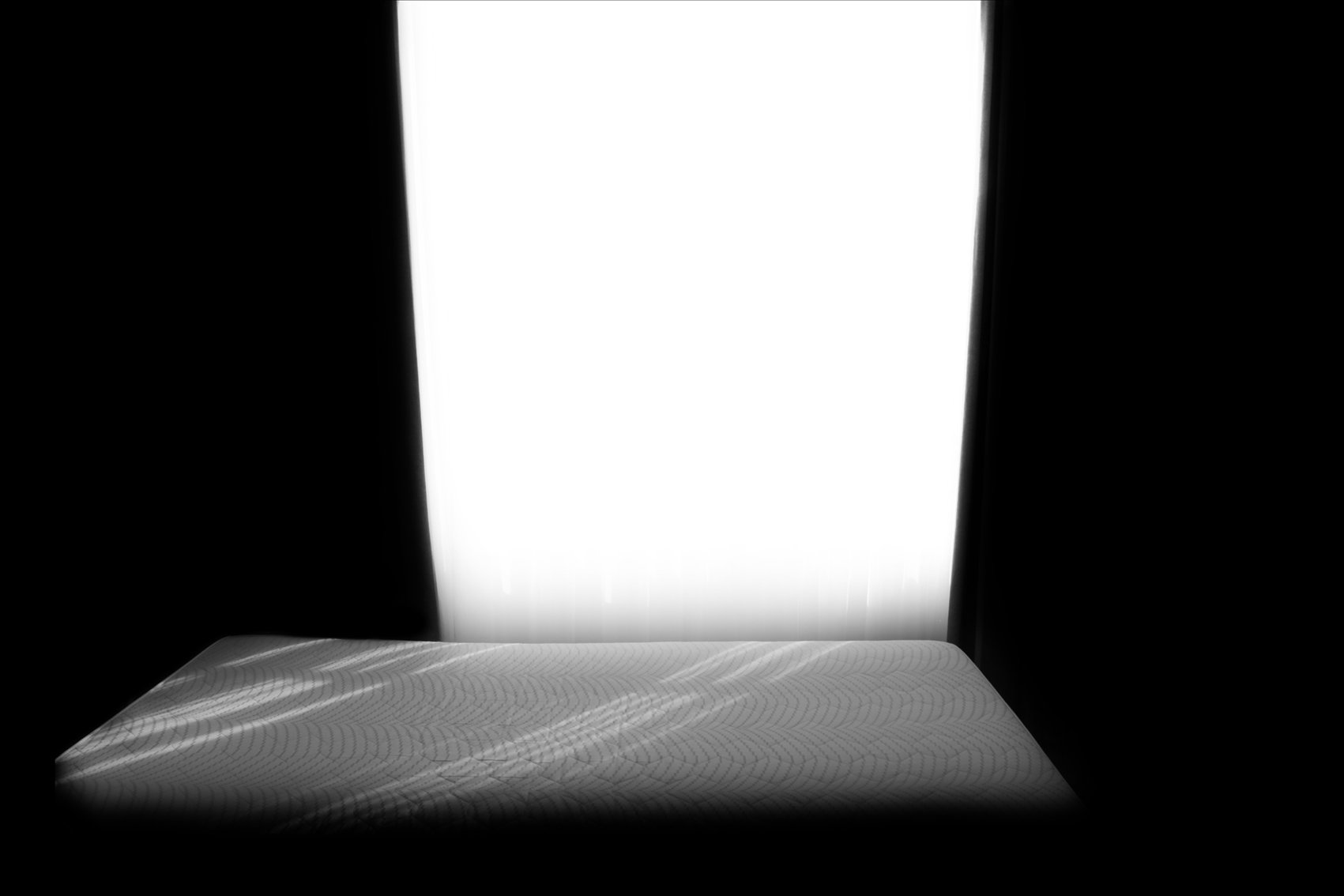
On the occasion of the 1st Worldwide Apartment and Studio (WAS) Biennale, artist Mia Gourvitch is presenting her first solo exhibition, Layover Dreams, in an apartment hotel near Potsdamerstraße, Berlin that has shut its doors due to an upcoming renovation project. A site-specific installation in the rooms of a single apartment unit in the building, her show features a small selection of black-and-white photographs shot on location, some two years after the hotel ceased operations. The works address the inherent finality of the situation by offering moments that seem suspended in time, translating the physical ‘evidences’ left behind by the final inhabitants into echoes of mental subliminal states.

With a single photographic print hung in each of the rooms, the photographs enter in a charged dialogue with the actual interior, discreetly suggesting themselves as unsuspecting objects, perhaps part of the furnishings and décor. At the same time, these deeply-saturated black-and-white prints announce the complete overhaul that awaits them, signaling, as it were, an impending doom. This back-and-forth movement between the photographic image and the actual premises points to a lingering absence, to an eerie sense of dislocation of a place that, considering its function, is equally a “nowhere” and an “anywhere”. Capturing the aftermath of final layovers – of guests that are, by definition, temporary – they seem to channel a state of in-between, the hazy moments before falling asleep or the shackles of a deep and disorienting sleep.

Gourvitch works primarily with photography, exploring the medium in its materiality and the reverberations of the photographic print vis-a-vis its environment and as a signifying object. In Layover Dreams, the contrast between the immediacy of the photographic exposure and a lingering present creates a parallel between the suspension of a moment in time and the inhabiting of a physical space, however temporarily – for a stopover, a sleep, a stay. Here, as even the hotel’s staff and the last of the guests have already long gone, the rooms become populated with ghosts and relics, telling as it were of a previous existence. In this sense, these dark images present us with a haunted theatrical scene, leading us to an altered state of perception of the place that we visit.

Text: Hemda Rosenbaum